


Selecting a Residential Light Pole: A Guide for Planners and Developers
Looking to enhance outdoor lighting in a residential neighborhood near you? This guide covers choosing the most fitting light poles for residential areas, along with ideal locations, materials, heights, installation methods, and more.
Choosing the Right Light Pole for Residential Areas

Residential light poles come in various shapes, such as square and round, with round poles generally offering better wind resistance. If your project is in an area prone to high winds, round tapered light poles are recommended as they are more likely to maintain their integrity with higher windspeeds than standard straight, square or non-tapered poles.
Safety is another critical aspect. Properly placed light poles can eliminate dark spots, which are a potential hazard for pedestrians. For instance, placing light poles near entrances, communal spaces, and walkways ensures these areas are well-lit, providing both safety and convenience.
Determining the Ideal Location for Your Residential Light Pole
Identifying optimal locations or placement for light poles in residential developments requires careful planning. Environmental factors like nearby trees and buildings can obstruct light and affect coverage. Conducting site analysis prior to installation is beneficial in identifying potential obstructions and informs the best placement for even illuminations.
Soil conditions are another factor to consider. Areas with poor drainage or higher water tables may not be suitable for direct burial installations. Understanding soil types across the development site assists in deciding between direct burial or anchor base installation methods, ensuring long-term stability and durability of the light poles.
Different regions have unique regulations regarding wind resistance requirements for light poles. These regulations are designed to ensure that light poles withstand local weather conditions. Considering these factors will assist you in choosing the optimal location for effective and reliable illumination.
Material Options for Residential Light Poles
Selecting the right material for your light pole is not just about aesthetics; it’s about durability and maintenance as well. Composite light poles are an excellent choice due to their lightweight nature, corrosion-resistant properties, and durability against harsh weather. Another advantage of composite poles is their non-conductive nature, which makes them safe during electrical storms. This feature ensures that your lighting remains functional and safe, even in adverse weather conditions.
Selecting the Appropriate Height
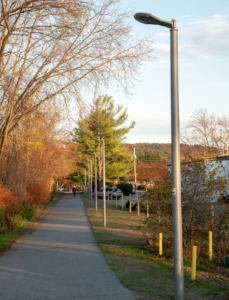
The height of your light pole is a critical factor that impacts both its functionality and aesthetics. Local regulations often dictate minimum heights for light poles to reduce glare and ensure safety for both pedestrians and drivers. These regulations aim to improve visibility and minimize glare, enhancing safety on roadways and in residential areas.
Selecting the appropriate height includes consideration of the specific lighting purpose and the area you want to illuminate. For example, taller poles are suitable for illuminating driveways and larger areas, while shorter poles can be used for garden pathways and patios. We recommend reviewing our guide on selecting the right light pole height to ensure overall effectiveness.
Installation Methods: Anchor-Based vs. Direct Burial
The method you choose for installing your light pole can significantly impact its stability and ease of maintenance. There are two main installation methods: direct burial and anchor base. To install your light pole correctly, consider these methods carefully.
Direct burial light poles are installed directly into a hole in the ground, which is then backfilled to secure the pole without needing a concrete base. On the other hand, anchor base light poles are fixed to a concrete foundation using anchor bolts. This method offers better stability for heavier fixtures and is preferred in urban settings or areas with harsh weather conditions. Whether you opt for direct burial or anchor base installation, understanding the pros and cons of each method ensures that your light pole is securely installed and capable of withstanding the elements.
Enhancing Residential Neighborhoods with Decorative Light Poles
Incorporating decorative light poles in your neighborhood can significantly enhance the visual appeal of residential areas. Decorative light poles also add elegance to parks as well as communal spaces, contributing to a welcoming environment. For guidance on selecting decorative light poles suited to residential developments, refer to our guide on selecting the right decorative light pole.
Why Hyperia Offers the Best Residential Light Poles
When it comes to residential light poles, Hyperia stands out as the preferred option. Hyperia light poles are meticulously hand–crafted to maintain structural integrity, using layers of resin that enhance their strength without unnecessary bulk. This craftsmanship ensures that each light pole is not only durable but also visually appealing. Our light poles are designed to withstand harsh weather, including wind and salt exposure, making them an ideal choice for residential neighborhoods in coastal areas or regions with extreme weather conditions. Hyperia’s residential light poles provide a combination of durability, aesthetic appeal, and exceptional craftsmanship that sets them apart from alternative options on the market.
Frequently Asked Questions
What are the benefits of choosing round light poles over square ones?
Choosing round light poles provides better wind resistance, making them suitable for locations with high wind exposure. This design enhances stability and durability in adverse weather conditions.
How are the best locations for residential light poles determined?
Site analyses are conducted to identify obstructions such as trees and buildings, ensuring optimal pole placement for effective lighting coverage.
What are the advantages of composite fiberglass light poles?
Composite light poles offer the advantages of being lightweight, corrosion-resistant, and non-conductive, ensuring safety during electrical storms and durability across different weather conditions. This combination makes them an excellent choice for outdoor lighting solutions.
Do Hyperia light poles require special maintenance?
No, Hyperia light poles require minimal maintenance due to their corrosion-resistant composite fiberglass construction and smooth resin finish.
What makes Hyperia residential light poles different from others?
Hyperia residential light poles are handcrafted with multiple resin layers, providing enhanced strength, durability, and a smooth finish that withstands harsh weather conditions better than standard poles.

Follow Us!